
Treating migration as a perpetual “emergency” does not work
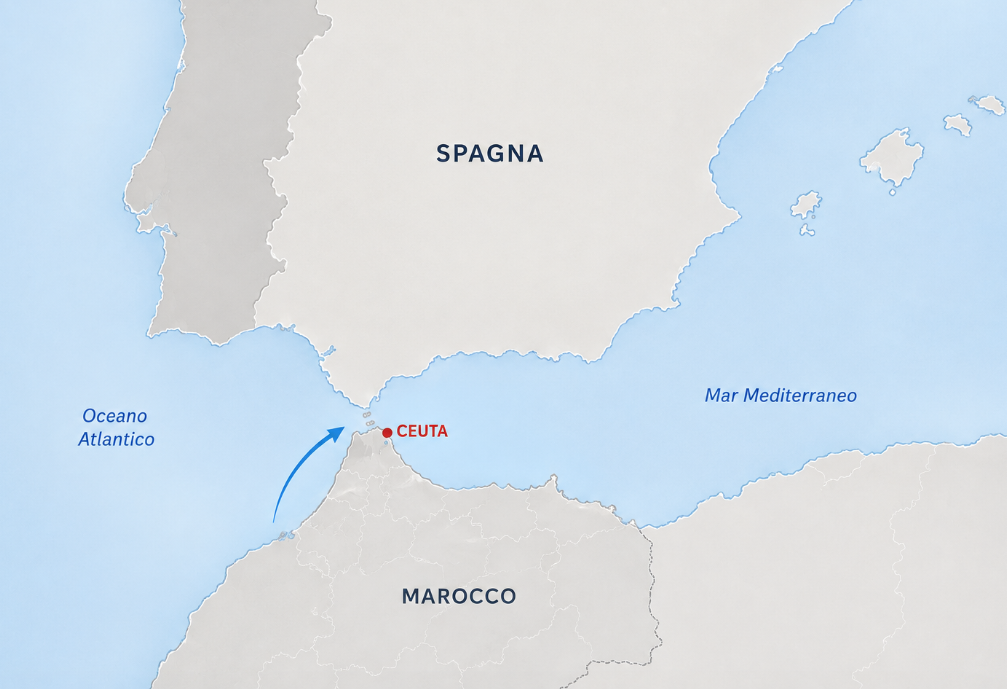
What happened in Ceuta is not an isolated incident, but yet another reminder of reality.
Treating migration as a perpetual “emergency” to be managed through political shortcuts and by fuelling fear does not work. What is needed is vision, respect for the rule of law, and economic and social policies capable of managing reality rather than reacting to it.
03/08/2026
What happened in Ceuta is not an isolated incident, but yet another reminder of reality.
Events at the Spanish border remind us of a fundamental truth that is often overlooked in public debate: the primary driver of migration lies in human aspirations. It is the search for a different future that moves people to leave.
This aspiration has often been manipulated and exploited for other purposes. We see it today at the Spanish border, just as we have seen it elsewhere in the past: from Albania in the 1990s to the migration routes crossing Libya and Tunisia.
Addressing this phenomenon in a pragmatic and systemic way requires ambition and long-term policy choices on the part of the European Union and, above all, its Member States.
This calls for a change of perspective on three crucial fronts:
- Development in countries of origin: Investing in and fostering growth in countries of origin will not magically “bring migration flows to zero”. Rather, it means supporting the aspirations and skills that lead people to invest legally and effectively in their own future and in ours.
- Tackling the informal and illegal economy: In Italy and across Europe, we must move beyond tolerating economic models that operate outside the rules and thrive on exploitation. Treating respect for rights and compliance with the rules as a “threat to competitiveness” is a strategic mistake. Genuine growth comes from bringing undeclared work into the formal economy and promoting regular, lawful inclusion. Our economic and social systems, as well as the quality of our civic life, have a tremendous need for this.
- Strategic autonomy and externalisation: The sovereignty of individual States and the EU’s strategic autonomy cannot be built by delegating border management to third-country regimes. Relying on external actors to secure our borders means handing them leverage that they will always be ready to use in pursuit of their own interests.
Treating migration as a perpetual “emergency” to be managed through political shortcuts and by fuelling fear does not work. What is needed is vision, respect for the rule of law, and economic and social policies capable of managing reality rather than reacting to it.