
Release G20 Converting Debt and Revitalising International Cooperation
24/01/2025
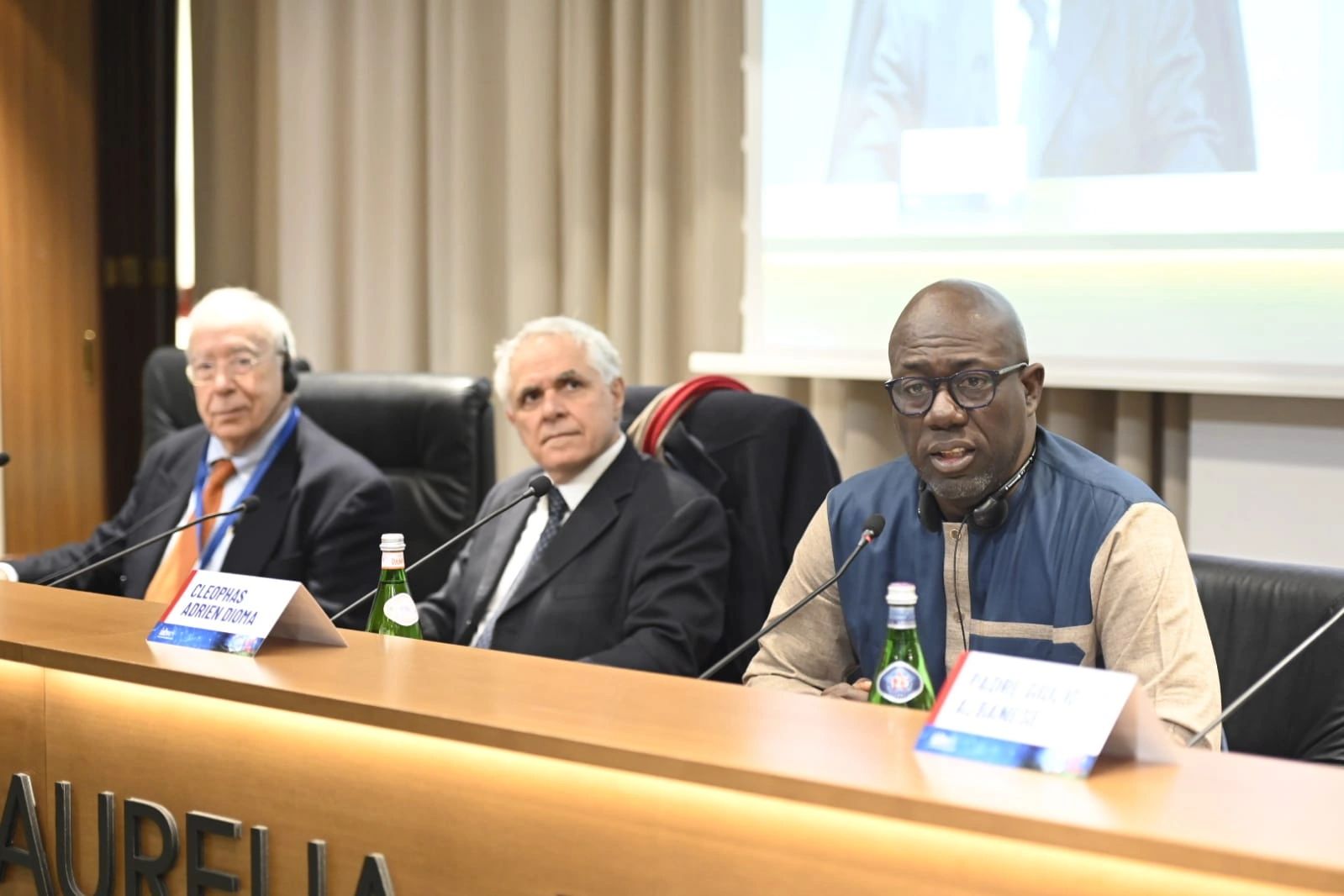
At the Italy Africa Business Week, LINK 2007 President spoke to present the Release proposal, a flexible mechanism for debt relief and sustainable development with the aim of boosting international cooperation.
The Release G20 initiative envisages the conversion of sovereign debt through the creation by the debtor country of a local currency fund for sustainable development, the SDG Fund / OSS Fund, with allocations nominally equivalent to existing debt payments.
The advantages of converting debts into investment funds are clearly understandable: they strengthen the ownership of the respective country; they call for full accountability in the management of the funds, thus helping the development of the country’s administrative capacity; they more easily convince creditors to strengthen relations with that country. The initiative would have a strong impact both at the international political level, as a key step in the implementation of the ‘Financing for Development’ commitments, and in the programming and operationalisation of international cooperation, for a debt restructuring that is fair, regular, timely and efficient, and enables countries to invest in the OSS, as envisaged in the Addis Ababa Agenda Action Plan. G7 and G20 countries could benefit politically and operationally from proposing a combined action of conditional debt relief for developing countries in favour of a combination of sustainable and strategic private sector investment from their own private sector. Sustainable and balanced growth is a prerequisite for future sustainability and reduced dependence on foreign financing.
During the panel, the Mattei Plan was also discussed. As the president of LINK 2007 emphasised, ‘investments for sustainable growth can only bear fruit if countries are not suffocated by the burden of public debt’.
In closing, Cleophas Adrien Dioma highlighted the importance of changing perspective from the concept of debt to that of sustainable development, emphasising how the connection between the promoters of the initiative and the African diaspora is crucial.
Finally, Roberto Ridolfi reiterated that investment priorities must be decided by the individual countries. In this context, diasporas are crucial for defining guidelines and ensuring ownership of the process.